

Screeded vs Retro Underfloor Heating is a key comparison for homeowners and developers choosing the right system for their project. Both options deliver efficient, comfortable heat, but they differ significantly in installation method, floor build-up, and suitability. Understanding these differences helps you select a system that aligns with your property and timescale.
Rather than choosing on price alone, it is important to consider structure, disruption, and long-term performance.
What Is Screeded Underfloor Heating?
Screeded systems embed heating pipes within a concrete or liquid screed.
How Screeded Systems Work
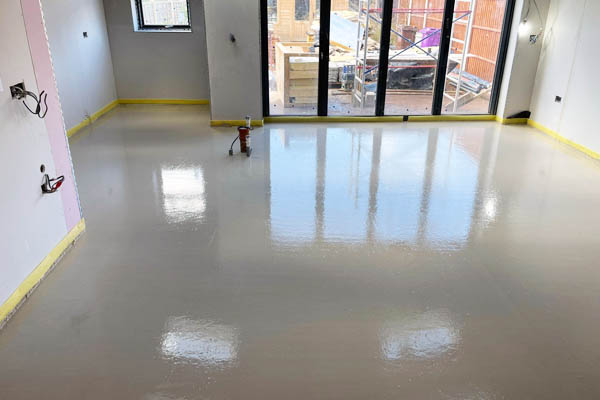
Installers lay insulation and pipework before pouring screed over the system. Once cured, the screed acts as a thermal mass, storing and releasing heat evenly.
Best Use Cases for Screeded Systems
Screeded systems suit new builds and major renovations. Because floor levels can be planned in advance, deeper build-ups are rarely an issue.
What Is Retro Underfloor Heating?
Retro systems are designed for existing properties and refurbishments.
Low-Profile Retrofit Solutions Explained
Retro systems use slim panels or overlay boards laid on top of the subfloor. Therefore, they avoid deep excavation and major structural work.
Ideal Applications for Retrofit Systems
Retro systems work well in renovations, extensions, and occupied homes. They allow underfloor heating without removing existing floors.
Underfloor Heating Installation Differences That Matter
Installation approach often determines the best system choice.
Build-Up Height and Structural Impact
Screeded systems add significant depth due to insulation and screed. In contrast, retro systems typically add just 15–20mm. As a result, retro solutions suit properties with limited floor height tolerance.
Installation Speed and Disruption
Screeded systems require drying and curing time. Retro systems install much faster and allow earlier floor finishing. Consequently, retrofit projects often stay on schedule.
Performance and Efficiency Comparison
Both systems perform well when designed correctly.
Heat Output and Thermal Response
Screeded systems provide steady, long-lasting heat due to thermal mass. Retro systems respond faster but store less heat. Therefore, usage patterns influence performance preference.
Compatibility With Modern Heat Sources
Both options work efficiently with boilers and heat pumps. Proper design ensures correct flow rates and output.
Which Underfloor Heating System Is Right for Your Project?
The choice between Screeded vs Retro Underfloor Heating depends on your property type, floor structure, and renovation plans. New builds often benefit from screeded systems. Existing homes usually suit retrofit solutions.
Professional advice ensures the system matches your goals, budget, and building constraints.
FAQs – Screeded vs Retro Underfloor Heating
What is the main difference between screeded and retro systems?
Screeded systems embed pipes in concrete, while retro systems sit above the subfloor.
Which system is better for renovations?
Retro underfloor heating is usually best for refurbishments.
Do screeded systems take longer to install?
Yes, they require curing time before floor finishes.
Is heat output different between the systems?
Both deliver effective heat when properly designed.
Can both systems work with heat pumps?
Yes, both are suitable for low-temperature heating sources.
